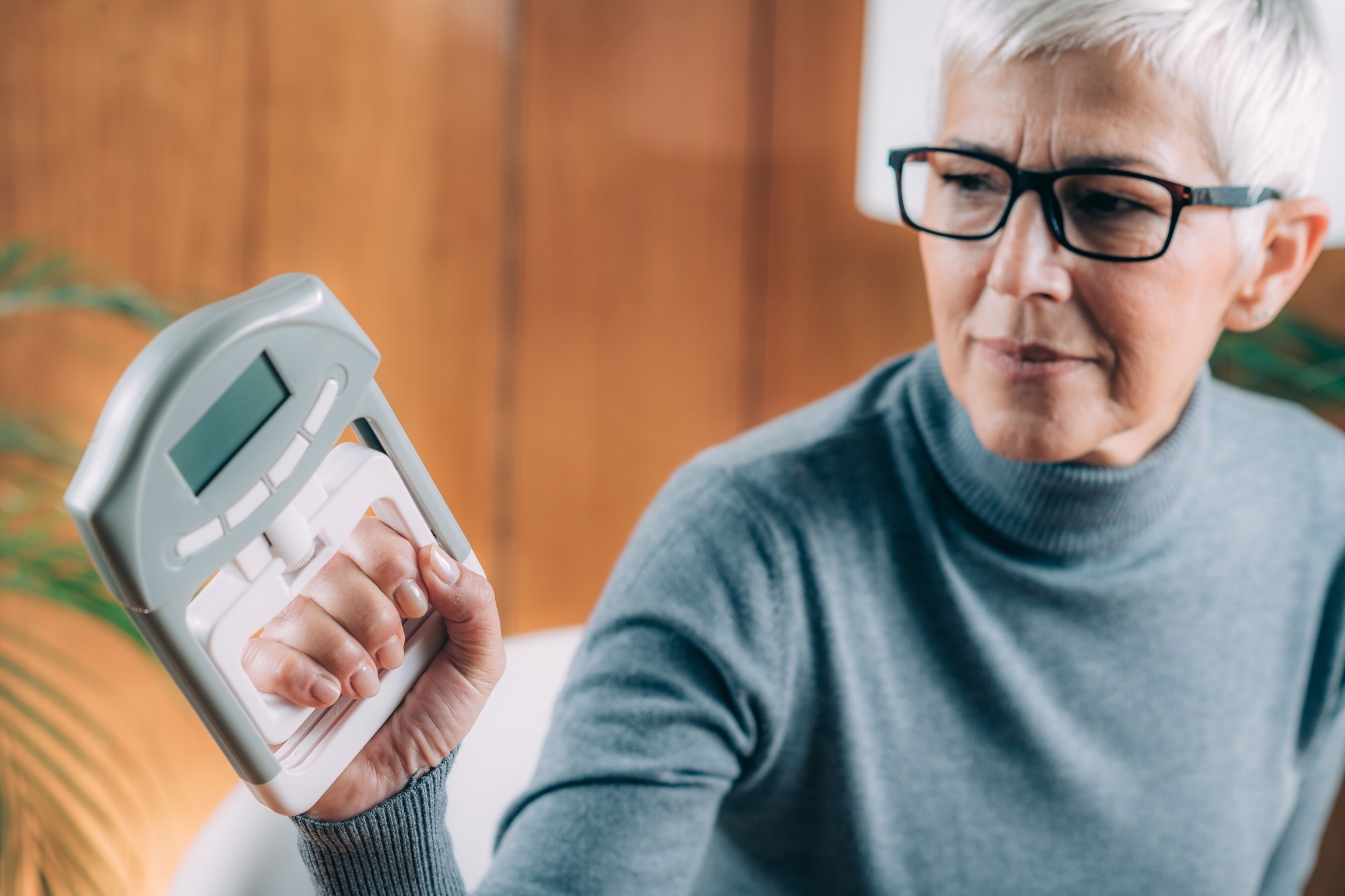
A study investigated the relationship between handgrip strength and symptoms in individuals with long COVID. Researchers found a significant association between weaker handgrip strength and greater symptom severity, as measured by patient-reported outcomes.
The study, involving 102 patients with long COVID, revealed that those with lower handgrip strength experienced more severe symptoms and greater fatigue. Furthermore, patients with post-infectious myalgic encephalomyelitis/chronic fatigue syndrome (ME/CFS) exhibited significantly lower handgrip strength compared to those without the condition.
Analysis indicated elevated intercellular adhesion molecule-1 (ICAM-1) levels in patients with impaired muscle recovery. Gender-specific correlations were observed, with male patients showing a positive association between handgrip strength and ferritin levels, and a negative association between platelet counts and muscle recovery. Female patients demonstrated an inverse correlation between handgrip strength and antibodies against the SARS-CoV-2 spike S1 protein.
The findings suggest that handgrip strength may serve as a supplementary indicator of patient-reported long COVID outcomes, but the observed associations are modest and require further investigation in larger studies.