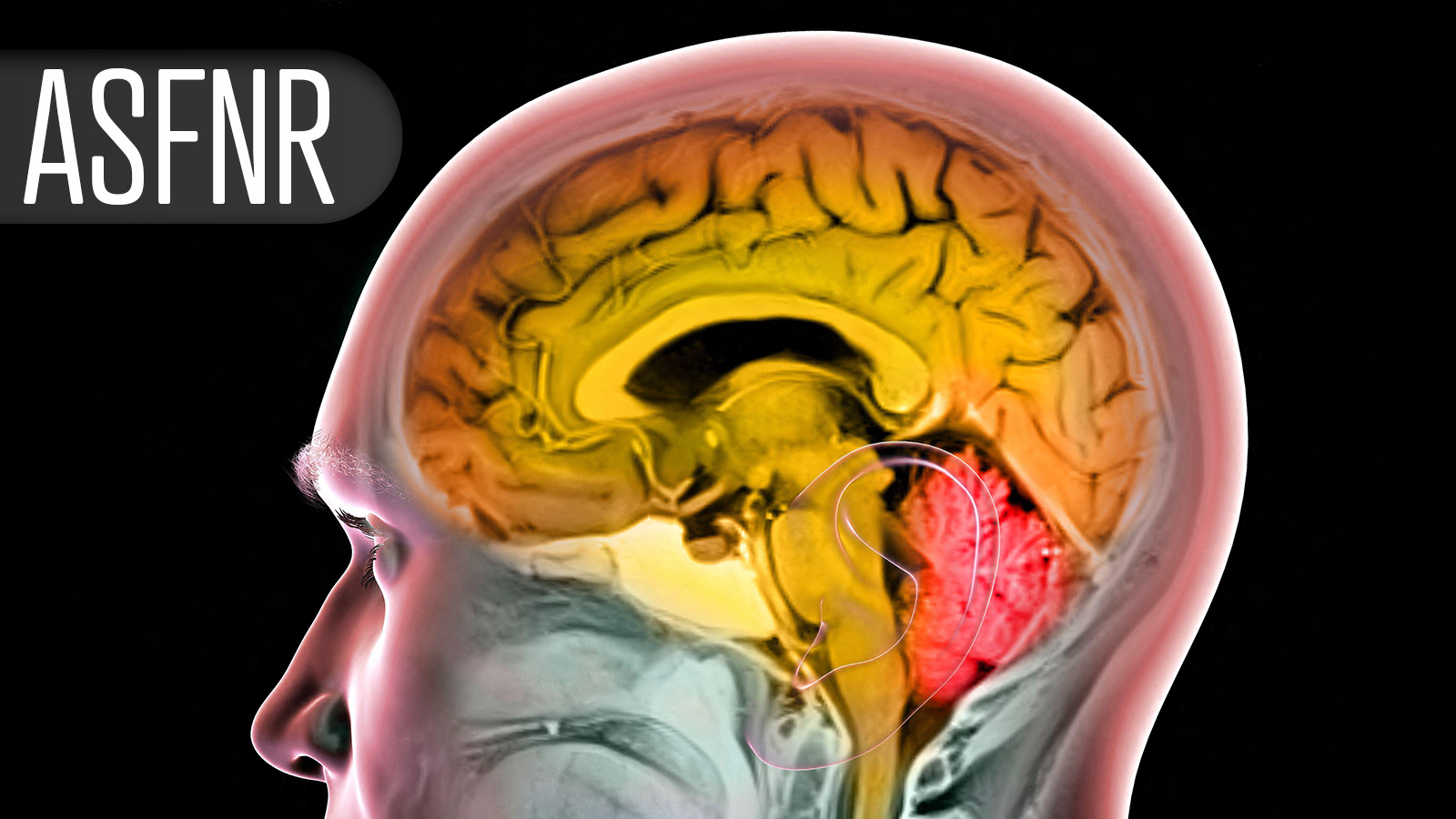
A small randomized trial investigated the effects of N-acetylcysteine (NAC) treatment in individuals with multiple sclerosis (MS). Participants were divided into a group receiving NAC plus standard care and a control group receiving standard care alone.
Blood oxygen level dependent (BOLD) functional MRI (fMRI) revealed significant connectivity alterations in the inferior frontal region, cerebellum, and parts of the temporal and parietal lobes within the NAC group compared to the control group. Fluorodeoxyglucose (FDG) PET scans indicated increased cerebral glucose metabolism in corresponding areas of the NAC group, including the inferior frontal and inferior temporal gyri. Self-reported improvements in cognition and attention were observed in the NAC group. The study, published in IBRO Neuroscience Reports, indicated that NAC boosts antioxidant capacity, increasing glutathione and reducing oxidative stress.
Prior research has explored NAC’s effects in Parkinson’s disease and chronic mild traumatic brain injury. Thirty-six patients with mild to moderate MS were enrolled in the trial, receiving either intravenous and oral NAC or standard care. Clinical improvements were noted in the NAC group regarding pain, fatigue, cognition, and attention.”} p>