A U.S. laboratory identified a fourfold increase in confirmed cases of Cladophialophora bantiana infection from 2023 to 2025. Between January 2009 and July 2026, the lab documented 48 confirmed cases and one probable case. The annual case count rose from one to five between 2009 and 2023, then increased to eight in 2024 and 14 in 2025.
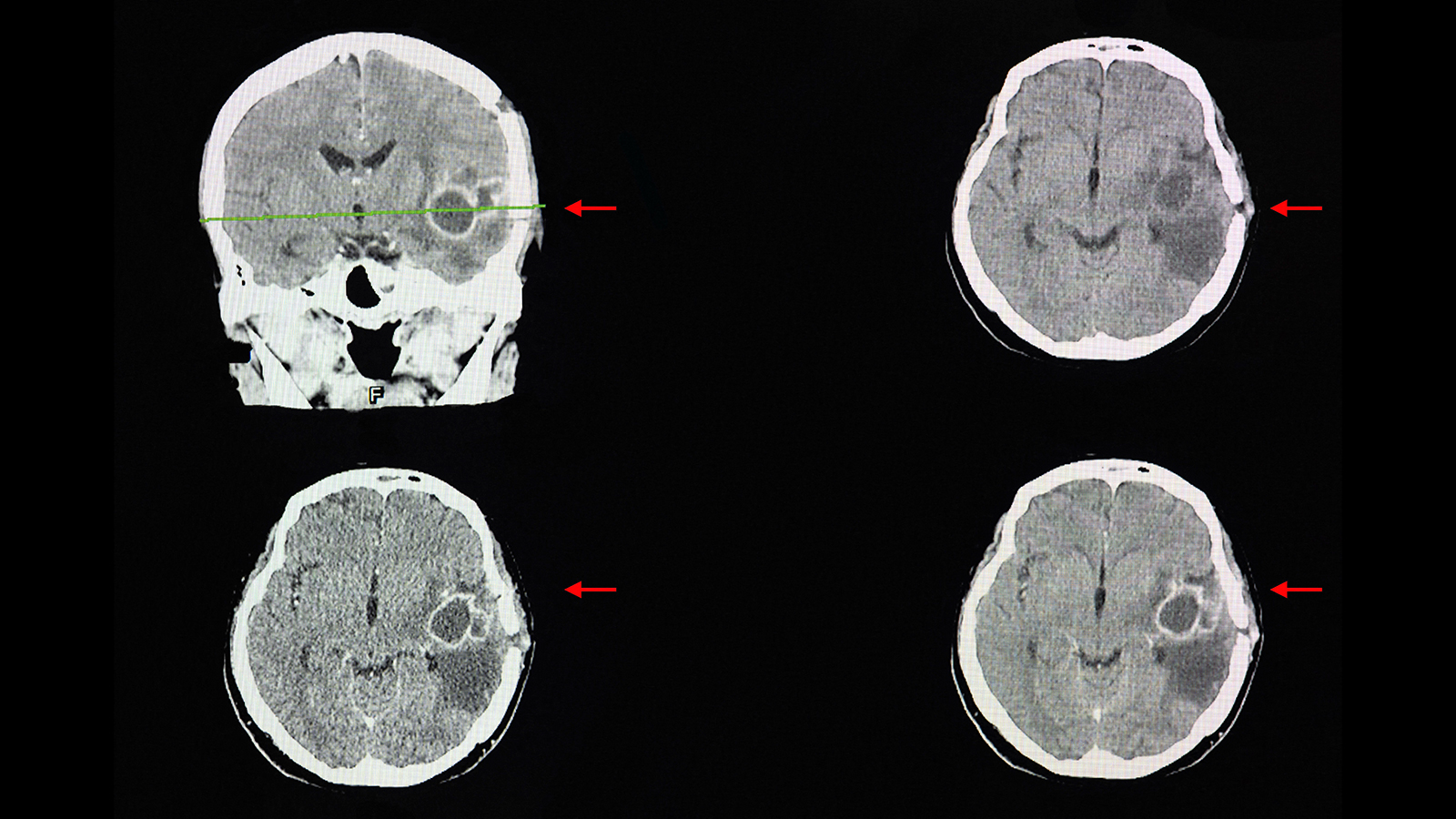
Most cases, 88%, were detected in intracranial central nervous system (CNS) tissue specimens, with 12% found in lung specimens. The case rate tripled from 8.4 cases per 1,000 CNS specimens in 2017-2023 to 26 cases per 1,000 specimens in 2025. The infection typically presents as brain abscesses, with a presumed respiratory infection route.
Researchers noted that the infection has case-fatality rates of up to 70% and affects individuals with apparently healthy immune systems, posing a high risk of death. They suggest a warming environment and climate change may be contributing factors, along with human encroachment on the fungal pathogen’s reservoir.
Forty-nine confirmed and probable cases were identified across 21 states, with California having the highest number of cases (six). Clinicians are advised to consider rare causes like C. bantiana when diagnosing brain abscesses, particularly in otherwise healthy individuals. Treatment involves surgical excision of abscesses paired with combination antifungal therapy.



