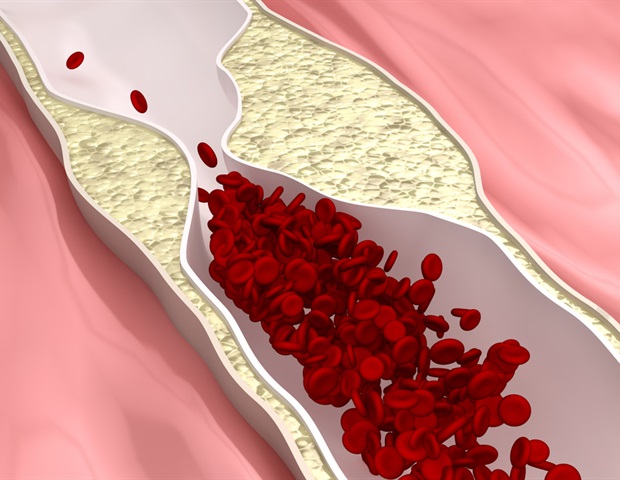
A study from the Karolinska Institutet, published in the Journal of the American Heart Association, indicates a heightened risk of atherosclerosis in coronary arteries for individuals who experienced childhood poverty. The research examined 15,640 participants aged 50 to 64 from the Swedish SCAPIS study population. It compared childhood family income with coronary artery scans performed around 50 years later.
Individuals raised in families with the lowest incomes demonstrated a greater likelihood of exhibiting moderate to severe atherosclerosis in the coronary arteries compared to those from families with the highest incomes. Even after accounting for age, gender, and other risk factors, the odds of moderate to severe atherosclerosis were elevated among those from the lowest income families.
The study revealed that the odds were 43 percent higher when adjusting for age, gender, and other factors, and 31 percent higher after adjusting for lifestyle habits, socio-economic circumstances in adulthood, and established risk factors. Researchers suggest that early socio-economic circumstances have an impact on cardiovascular health decades later.
Possible underlying mechanisms include lifelong accumulation of risk factors, such as being overweight during childhood, and potential biological processes related to stress and inflammation influenced by low socio-economic status early in life. Further investigation is needed to fully understand these mechanisms.