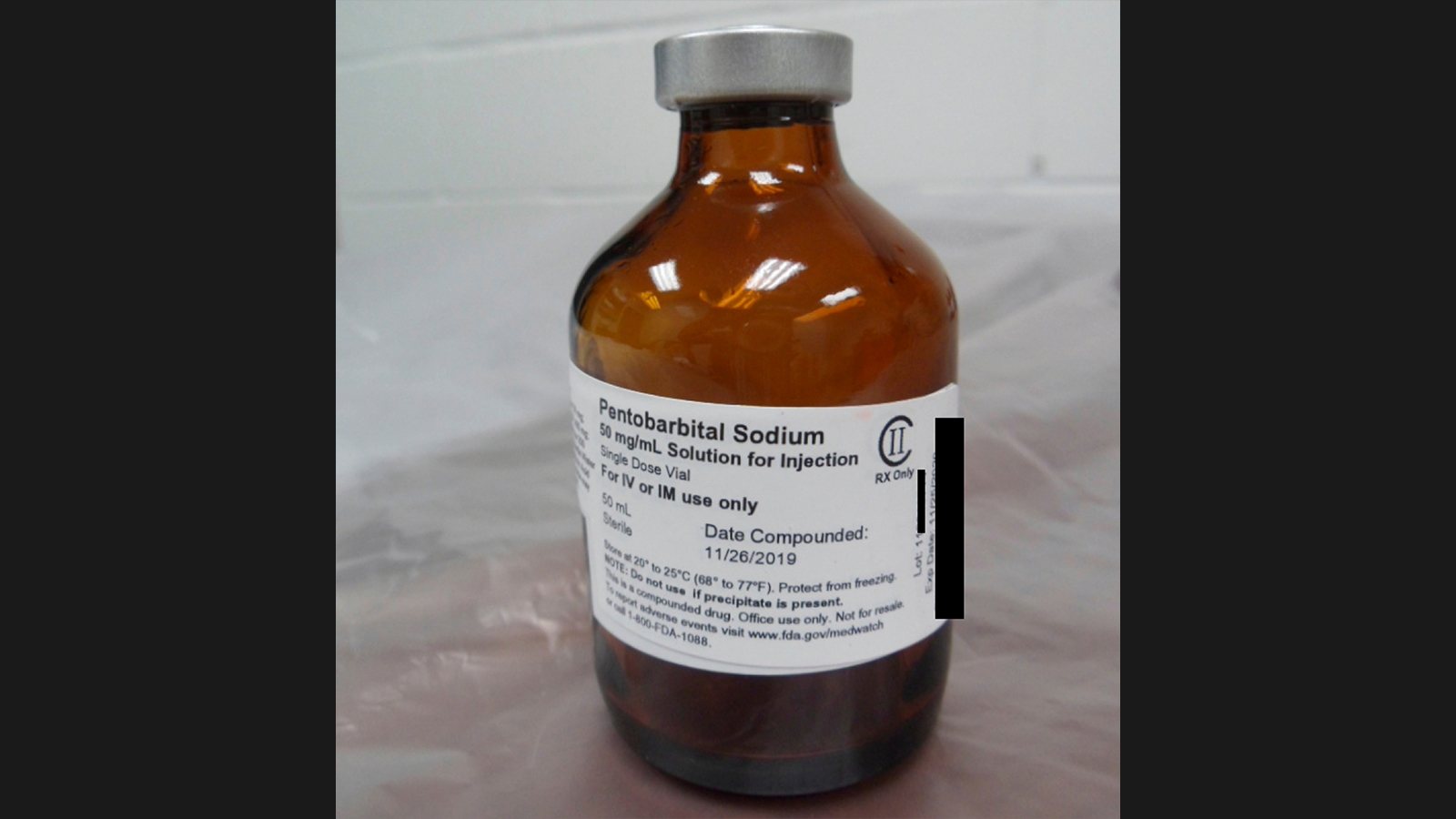
Christa Pike regained consciousness and spoke a week after receiving two doses of pentobarbital in Tennessee, astonishing medical professionals. Attorneys reported confusion, limited speech, and inability to move her arms, with a blood clot present. According to the Death Penalty Information Center, Pike is the only person to survive after receiving lethal injection drugs during an execution. Medical experts suggested several possibilities for her survival, including the potential drug quality and the placement of IV lines. Jonathan I. Groner, MD, noted that a 5-g dose of pentobarbital is many times the amount needed to induce a medical coma, suggesting a significant error in the execution process. Improper IV placement or fragile veins could have allowed the drug to seep into surrounding tissue instead of the bloodstream. Michaela Almgren, PharmD, highlighted the shrouded sourcing of drugs for executions and the use of compounding pharmacies, raising concerns about drug quality and proper handling. Tennessee officials are investigating the execution attempt. Hospital treatment likely involved stabilizing her breathing, assessing the amount of pentobarbital in her system, and working to flush the drug from her system. Joel Zivot, MD, explained that Pike’s thrombocytosis, a blood disorder, could have caused clotting or bleeding. State protocol allows for a second dose of pentobarbital if the first doesn’t result in death, but does not specify actions for survival. The attempted execution began around 7:30 p.m., with Pike appearing unconscious at 8:53 p.m. An ambulance transported her to a hospital where doctors stabilized her breathing and began flushing the drug from her system. Michael Baden, MD, stated that Pike was fortunate enough that there was enough pentobarbital to put her into a deep sleep, while doctors worked to remove the drug from her system. Outgoing Gov. Bill Lee has paused executions and ordered a comprehensive, third-party review to determine exactly what occurred.