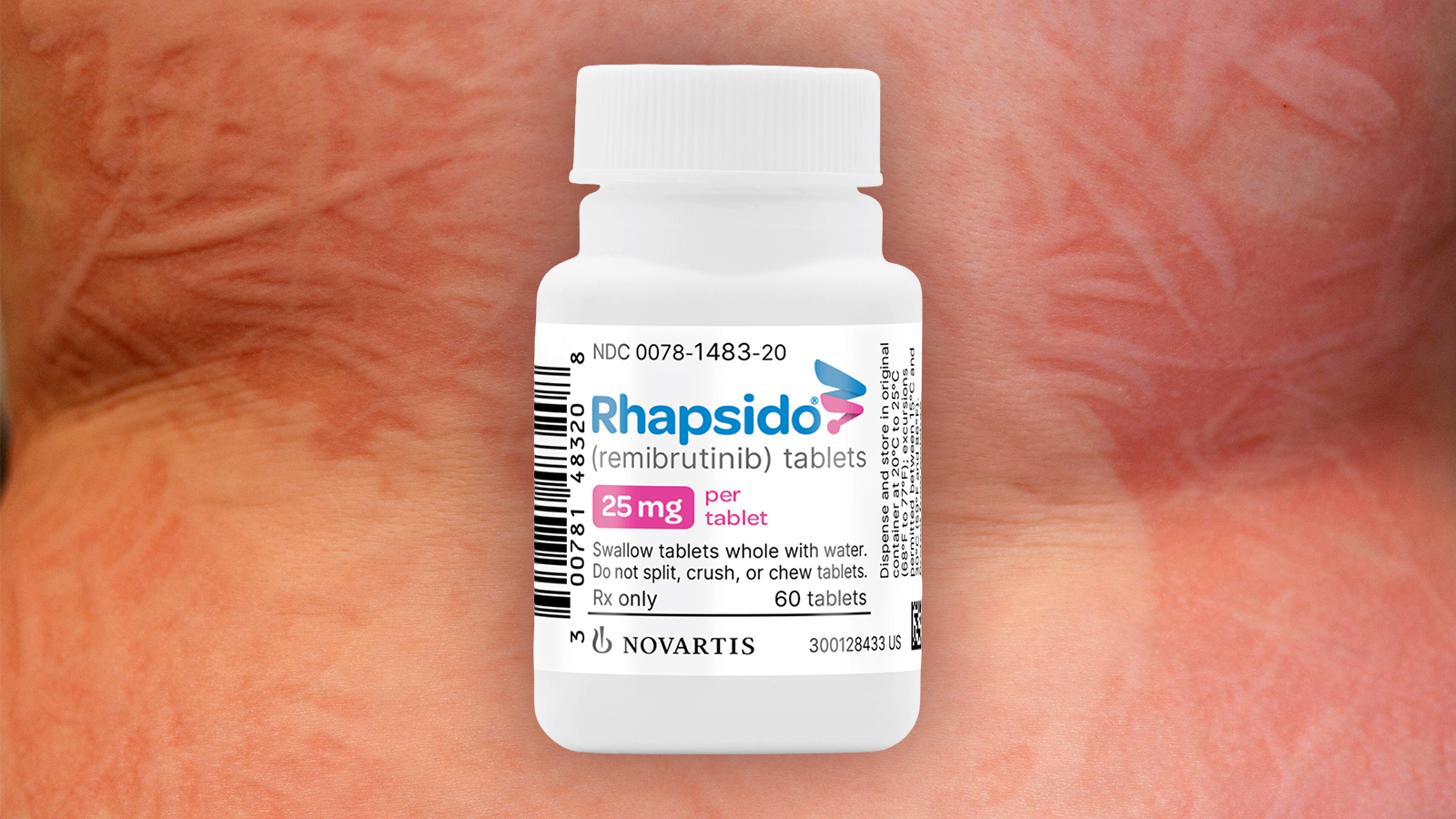
The FDA has expanded the use of remibrutinib (Rhapsido) to treat symptomatic dermographism, the most prevalent form of chronic inducible urticaria. This approval permits the oral agent’s use as an initial treatment for adults experiencing dermographism that is not adequately controlled by H1 antihistamines. Remibrutinib represents the first prescription drug specifically approved for both chronic spontaneous urticaria and symptomatic dermographism, conditions collectively affecting over 90% of chronic hives patients. Dermographism is a chronic and debilitating condition with historically limited treatment options.
Clinical trial data, derived from the phase III RemIND trial, demonstrated higher rates of complete response in patients receiving remibrutinib compared to a placebo group. The Total Fric Score indicated that more than twice as many participants in the remibrutinib group achieved complete response at 12 weeks (29.3% versus 14.0%, P=0.0229). Responses were observed as early as 2 weeks after starting the treatment.
Remibrutinib was associated with a consistent safety profile across clinical trials extending up to 24 weeks. Common adverse events reported in patients included nasal congestion, sore throat, nasopharyngitis, bleeding, headache, nausea, and abdominal pain. The approval provides a targeted approach for individuals with symptomatic dermographism who remain unresponsive to H1 antihistamines alone.”} p>