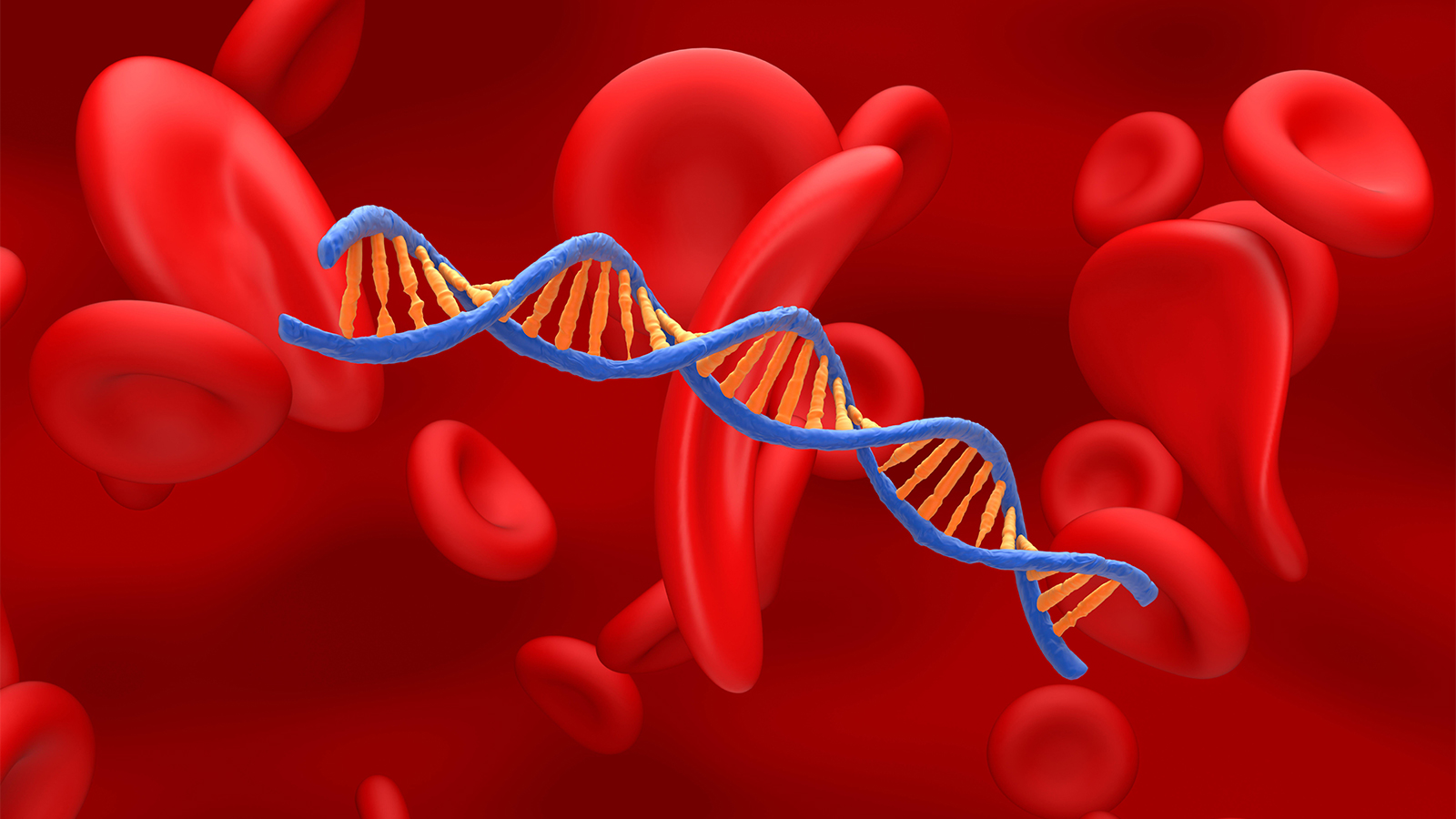
Life expectancy for adults with sickle cell disease has increased significantly over the past 50 years, reaching approximately 70 years by 2022. Key factors contributing to this improvement include the approval of gene therapies and advancements in comprehensive care models.
Gene therapies offer the potential for a cure and long-term health outcomes, though they are intensive and not universally accessible. Specialists are now providing more wraparound care, including proactive screening for organ damage and multidisciplinary services. Pain management has shifted from primarily relying on opioids to incorporating nonsteroidal pain relievers and behavioral therapy, alongside monitoring for conditions like sleep apnea. A detailed review of emergency department visits and hospitalizations is now standard practice. Treatment focuses on addressing the underlying sickle cell disease, rather than simply managing symptoms. Blood pressure, iron levels, and vitamin D levels are routinely assessed.
Ongoing challenges remain, including the lack of disease-modifying therapies beyond hydroxyurea and the need to address patients’ psychosocial needs, such as mental health concerns and logistical barriers to care.



