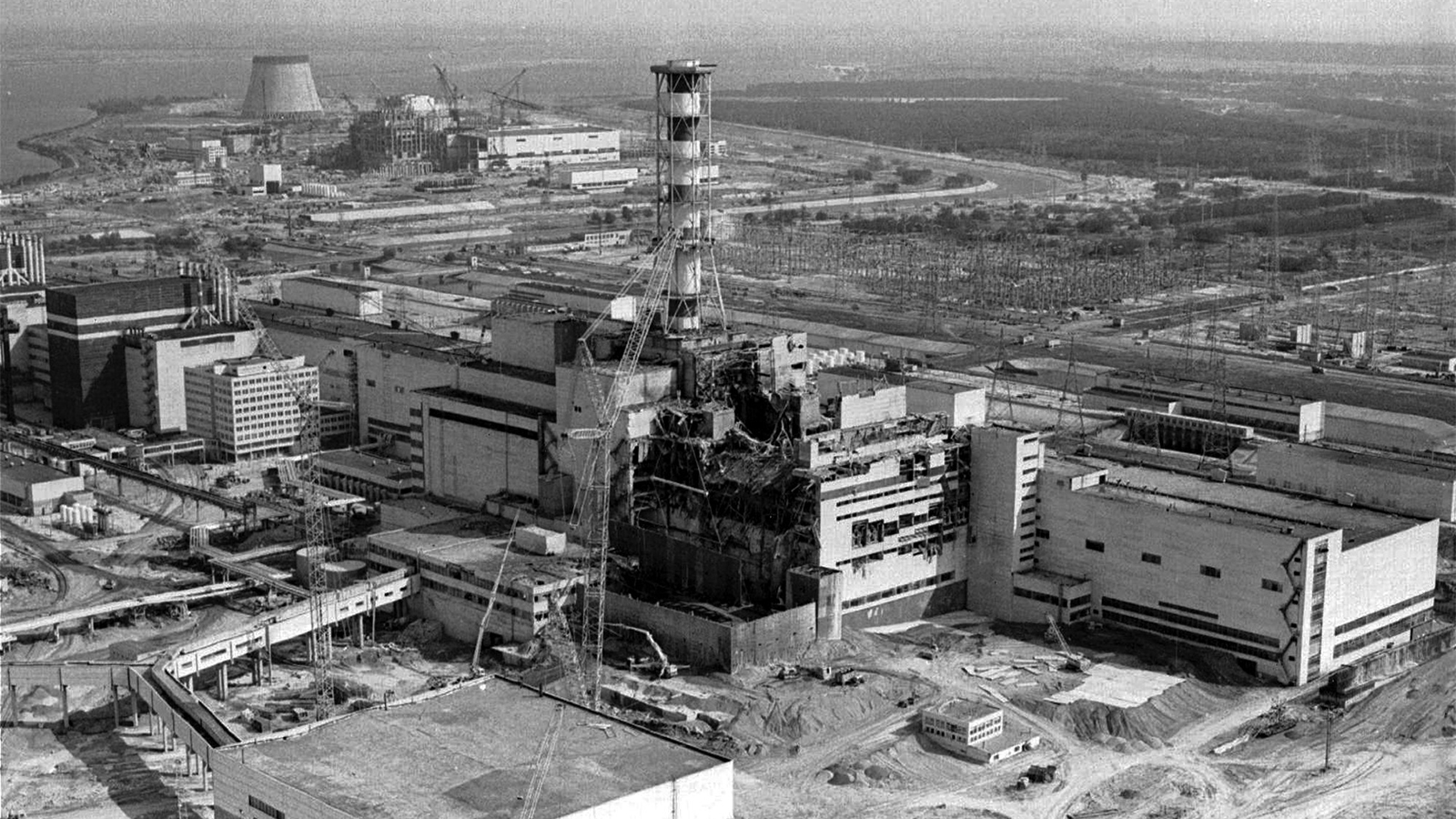
The Kremlin has historically maintained secrecy regarding public information, particularly concerning emergencies. Following a worker’s death at a Siberian research lab, concerns arose about a suspected pneumonic plague case. Rospotrebnadzor, Russia’s public health watchdog, stated the worker contracted pneumonia of unknown origin and that tests found no evidence of pathogen involvement. The WHO urged Russia to share more information regarding the pneumonia and related public health measures. This pattern echoes Soviet-era practices, such as the 1959-1960 Smallpox Outbreak in Moscow, where the KGB tracked contacts and implemented a massive vaccination campaign while suppressing information from state media. The 1971 Aral Sea Smallpox Outbreak involved a research ship accident and subsequent quarantine of Aralsk, with public awareness delayed until 2002. The 1979 Anthrax Leak, resulting in deaths and a cover-up by Soviet authorities, was not fully disclosed until after the collapse of the Soviet Union. The 1986 Chernobyl Nuclear Disaster saw delayed reporting and censorship of casualty figures. During the COVID-19 pandemic, claims of higher death tolls were dismissed as disinformation, and authorities criminalized false information. The system can silence, but it’s not competent enough to coordinate, so it produces contradiction instead of a unified false account.”