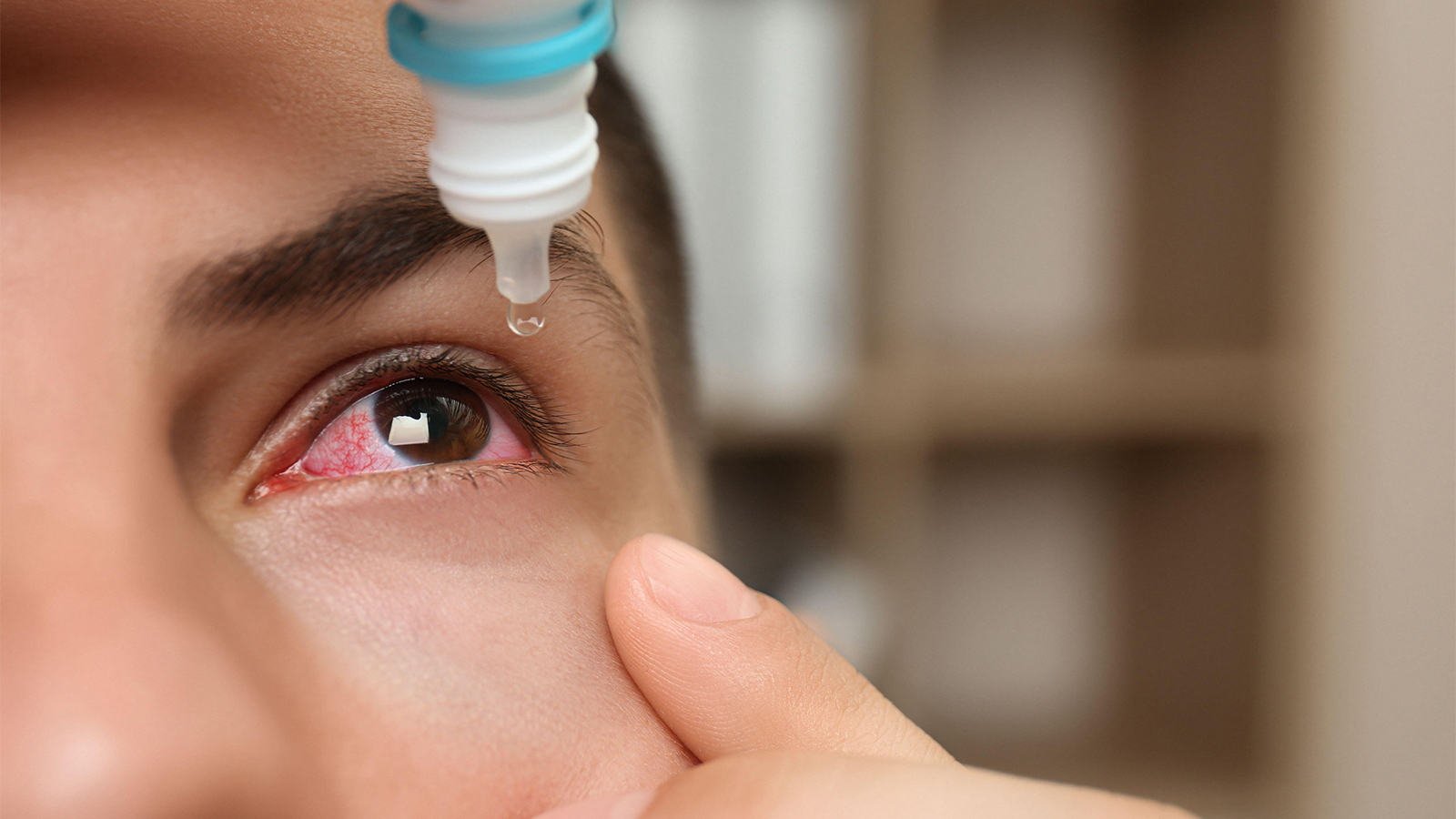
The FDA has approved apraclonidine ophthalmic solution 0.125% (Brytly) for over-the-counter use in treating eye redness caused by minor irritations. This approval is for adults and individuals 12 years of age and older. The agency highlighted this as the first nonprescription formulation of apraclonidine available to consumers. The approval expands access to nonprescription treatments for common eye conditions. Mike Davis, MD, PhD, director of the FDA’s Center for Drug Evaluation and Research, stated that the approval provides consumers with a convenient option for managing eye redness without requiring a healthcare provider visit. Eye redness is typically a result of minor irritations, such as eye dryness or exposure to dust. The product’s packaging specifies a maximum of two applications of the eye drops per day. Individuals using contact lenses are instructed to remove them prior to application and wait at least 10 minutes before reinserting them. When using multiple eye drops, a minimum 5-minute wait between applications is required to prevent drug washout. The FDA noted that the product should not be used if it becomes cloudy, and patients are advised to consult a doctor if eye pain, changes in vision, or worsening redness persists beyond 3 days.