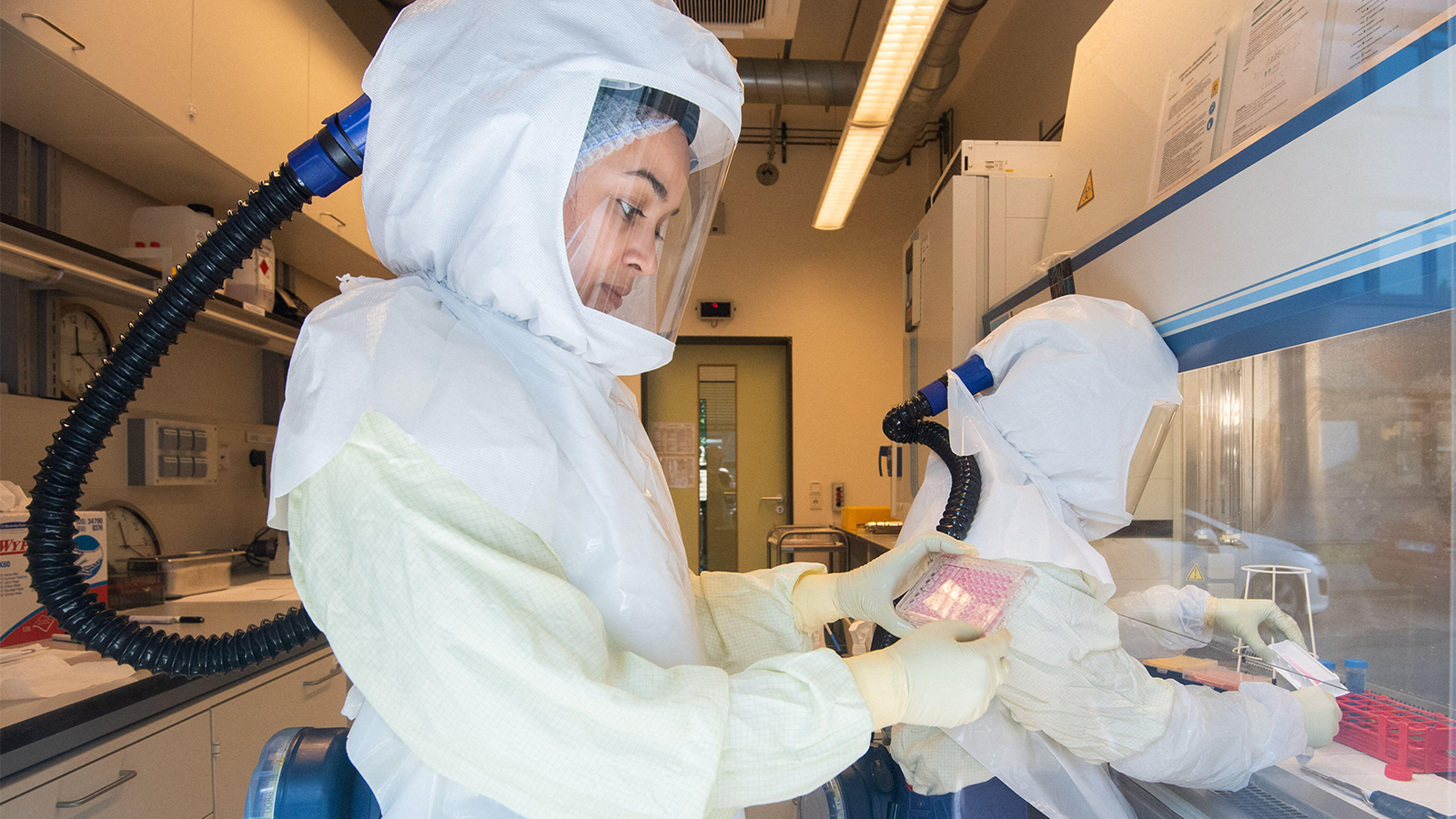
The death of a Russian laboratory employee has prompted renewed attention to pneumonic plague. As of this writing, the case in Irkutsk has not been confirmed, and an outbreak has not been established. Biosafety and biosecurity are highlighted as crucial, relying on trained staff, safeguards, and oversight. Prompt reporting, medical assessment, and investigation are necessary for possible exposures.
As of October 7, Russian authorities, through Rospotrebnadzor, described the employee’s illness as pneumonia of unknown cause, stating testing found no linked organisms and no accident involving pathogens. Contacts were monitored, with two COVID-19 and two rhinovirus infections identified, but no confirmed secondary plague cases. The World Health Organization (WHO) assessed the risk as moderate to low in Irkutsk, low for Russia, and very low for the European Region, noting the assessment is provisional.
The U.S. response escalated on October 6, with the Administration for Strategic Preparedness and Response (ASPR), CDC, and the State Department seeking information. Changing accounts and unconfirmed reporting raise questions requiring clear testing, exposures, and contact follow-up. Plague has existed for centuries, with an average of five human cases annually in the U.S., mostly bubonic plague. Pneumonic plague affects the lungs, developing after inhaling droplets or spreading from infection. Without treatment, it is almost always fatal. Recent U.S. cases, including one in Arizona in 2025 and another in Wyoming in 2021, demonstrate the need for rapid response, including prophylactic antibiotics and contact monitoring.
U.S. preparedness needs continued testing and drills. Only 44 of 73 unannounced drills achieved both masking and isolation. Transparency and continued communication are key, with WHO reporting that Russia has not registered any recent plague case in Irkutsk and that contact monitoring has concluded without detection of dangerous pathogens.