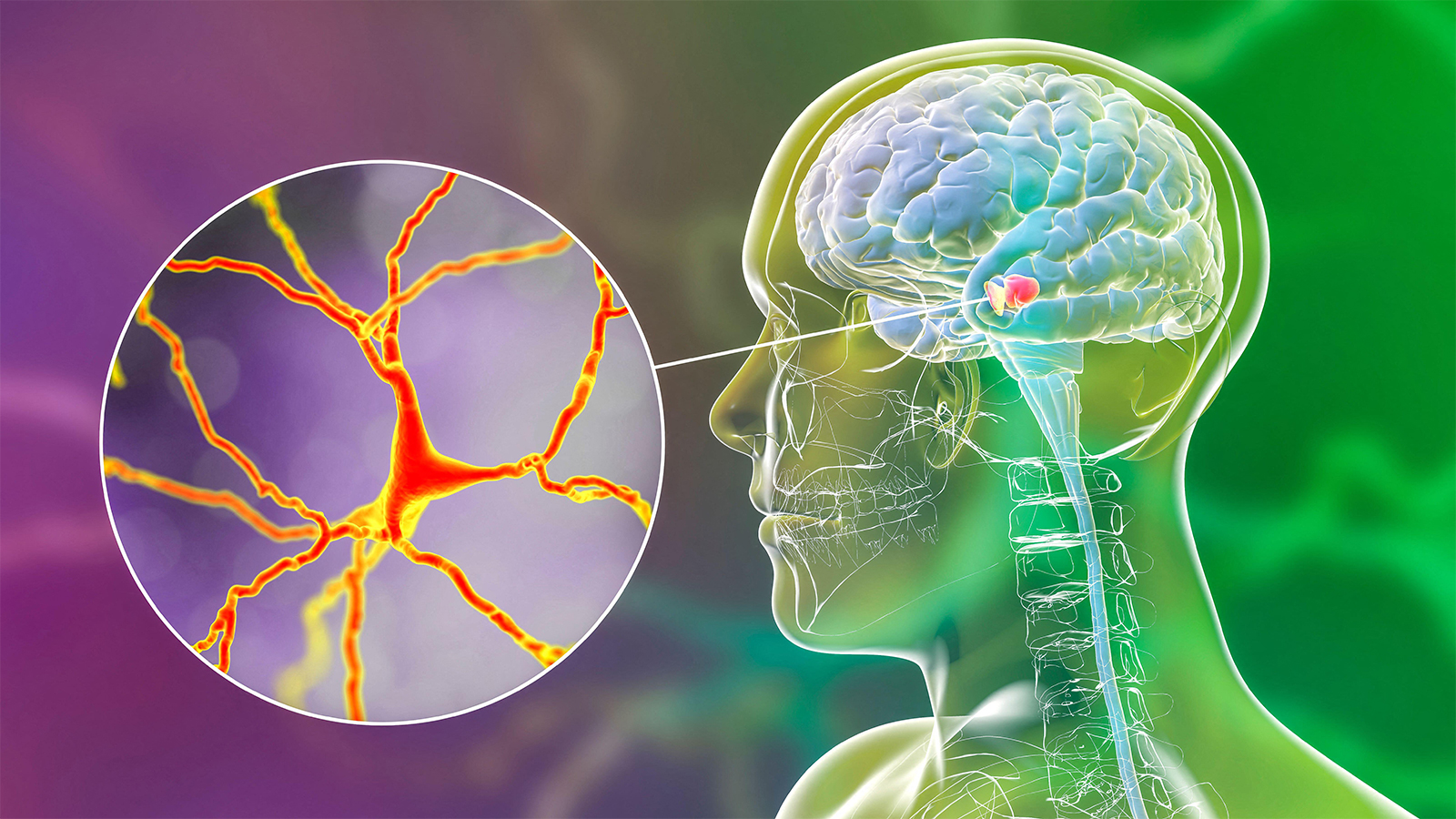
The NOPARK randomized trial investigated the clinical effect of oral nicotinamide riboside in early Parkinson’s disease. The study, involving 410 participants across 11 centers in Norway, examined whether increasing cellular levels of nicotinamide adenine dinucleotide (NAD+) would slow disease progression. Participants were diagnosed with Parkinson’s within two years, had a Hoehn and Yahr stage less than 3, and utilized stable dopaminergic treatment.
The trial compared twice-daily oral nicotinamide riboside (500 mg) to a placebo over a 52-week period. Results indicated that nicotinamide riboside did not significantly benefit patients. The primary outcome, change in Movement Disorder Society Unified Parkinson Disease Rating Scale (MDS-UPDRS) total scores, worsened by an average of 2.45 points in the nicotinamide riboside group compared to a trend toward improvement of 2.72 points in the placebo group (adjusted mean difference 2.72 points, 95% CI 0.47-4.98, P=0.02). Nonmotor symptom burden also worsened more with nicotinamide riboside. Despite marked increases in NAD+ ratios and total blood NAD levels, there was no imaging evidence of slowed or accelerated dopamine system changes.
Serious adverse events, including cardiac arrest and hypertension, occurred in a portion of both groups. Adherence to nicotinamide riboside was high (99.6%). The findings do not support nicotinamide riboside as a treatment to slow Parkinson’s disease. The trial’s largest size to date, combined with consistent findings across analyses, highlights the importance of these results. Researchers noted that the placebo group’s lack of progression may partly reflect the effects of dopaminergic therapy, or potential unfavorable biological effects of sustained NAD augmentation. Further investigation is ongoing, including plans for a large randomized trial by Niagen Bioscience.