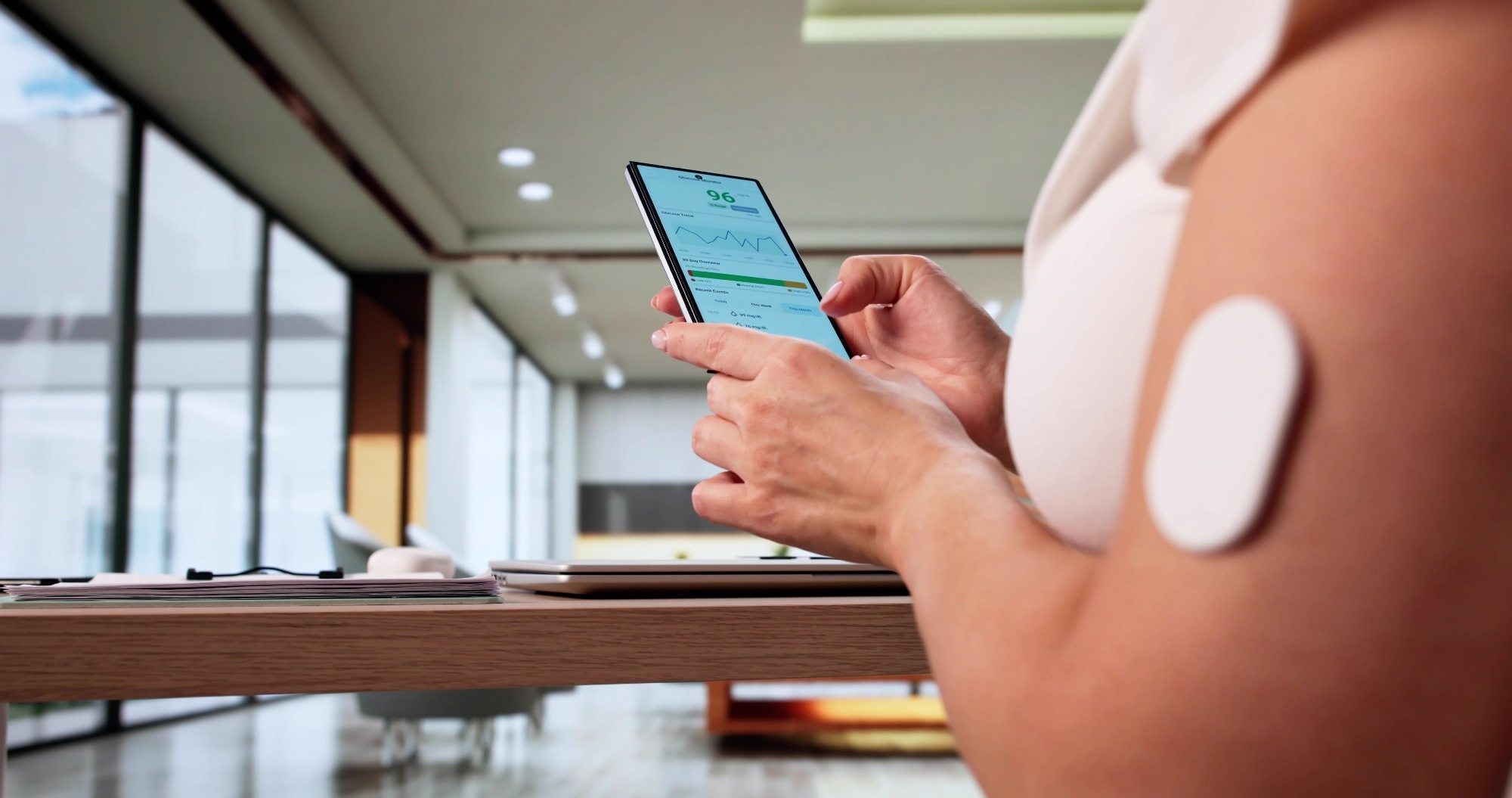
A study evaluated the long-term effects of continuous blood glucose monitoring in adults with type 2 diabetes. The research, using electronic health records from Kaiser Permanente Northern California, compared individuals who initiated real-time continuous glucose monitoring (rtCGM) with a control group. The study followed participants for up to three years.
Participants initiating rtCGM generally had a more complex clinical profile, including longer diabetes duration, greater comorbidity burden, and lower kidney function at baseline. Sustained rtCGM use was associated with rapid and persistent improvements in glycemic control, with a mean HbA1c reduction of 1.10 percentage points after one year, 0.90 percentage points after two years, and 0.75 percentage points after three years. No statistically significant differences in urinary albumin-creatinine ratio (UACR) were observed at baseline or after one and two years. However, at three years, sustained rtCGM use was associated with a lower mean UACR. Estimated glomerular filtration rate (eGFR) estimates were already lower at baseline in the rtCGM group and remained significantly lower during the first two years. The study did not demonstrate that sustained rtCGM use preserved kidney filtration function after three years. The observational design, substantial attrition, and possibility of residual confounding limit causal interpretation.