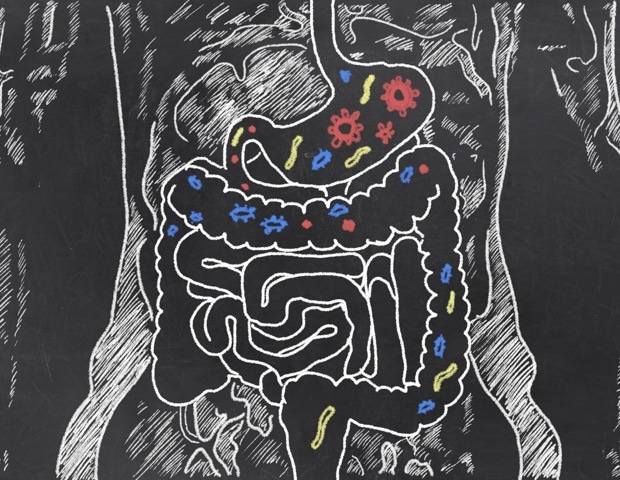
A study involving 771 individuals treated for Covid-19 between February 2020 and March 2021 at 38 UK hospitals has revealed distinct differences in the oral and lung microbiomes of those experiencing long Covid. Participants were divided into four groups based on the severity of their symptoms five months after hospital discharge: very severe, severe, moderate, and mild. Researchers collected saliva and sputum samples six months post-discharge and utilized DNA sequencing to analyze microbial composition and quantity. This analysis compared the microbiomes of these individuals with their reported symptoms.
The research indicated that those with very severe long Covid exhibited significant variations in their mouth and lung microbiomes compared to those with less severe symptoms. These differences were linked to respiratory symptoms, including reduced lung function, neurocognitive symptoms like ‘brain fog’, and gut symptoms such as pain, nausea, diarrhoea, and loss of appetite. Specifically, an overabundance of bacteria producing lactic acid was observed, correlating with signs of inflammation in blood samples. The study, led by Dr Daniela Alferes de Lima Headley and Professor James Chalmers, suggests the lung microbiome may have broader effects on health, influencing symptoms beyond respiratory issues. Researchers are investigating whether these microbiome changes preceded or followed Covid-19 infection and whether they improve with time. The PHOSP-COVID project, jointly funded by the National Institute for Health and Care Research (NIHR) and UK Research and Innovation, aims to understand the causes of long Covid and explore potential treatments, including interventions targeting the microbiome. Professor Raquel Duarte notes that millions worldwide continue to experience disabling long Covid symptoms, and this study identifies distinct patterns in the oral and airway microbiota associated with respiratory, cognitive, and gastrointestinal symptoms. Further research is urgently needed to understand the mechanisms behind long Covid and develop effective treatments.



