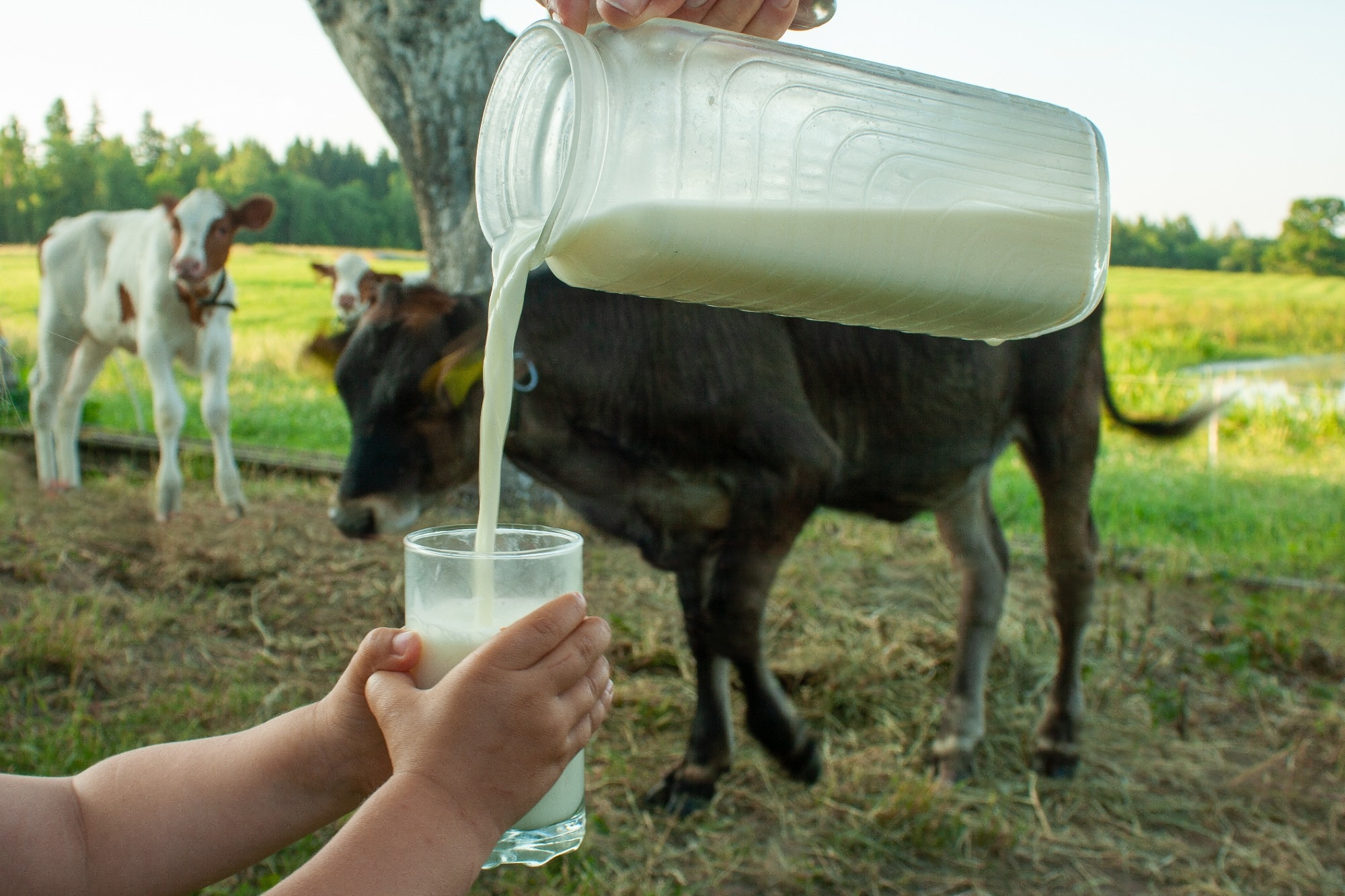
The American Academy of Pediatrics (AAP) issues a policy statement emphasizing the preventable health risks associated with consuming raw milk. Despite claims of nutritional benefits, raw milk is linked to substantial foodborne illnesses in the United States, accounting for 75 outbreaks between 2013 and 2018, resulting in 675 illnesses, 98 hospitalizations, and two deaths. The majority of these illnesses occurred in individuals under 20, with a significant proportion in children under five. Contamination can stem from various sources including clinical mastitis and environmental factors.
Pasteurization effectively eliminates disease-causing microorganisms, a process that sanitation or filtration alone cannot achieve. Prior to pasteurization’s establishment in the 1920s, outbreaks of diseases like diphtheria and tuberculosis were common. Emerging concerns include the potential for highly pathogenic avian influenza viruses to contaminate raw milk. While pasteurization does reduce antioxidant activity and denature some bioactive proteins, it does not significantly alter key nutrients like calcium, magnesium, or zinc, and preserves allergenic proteins. The AAP strongly recommends consuming only pasteurized milk and milk products, particularly for vulnerable populations such as infants, children, pregnant individuals, and immunocompromised people, advocating for a nationwide ban on the sale of unpasteurized milk and milk products.