Medical experts advise getting a flu vaccination soon, before influenza spreads widely.
Updated shots are also available, particularly for people considered vulnerable to respiratory viruses like RSV. Vaccination decreases risk of the worst outcomes.
Just about everyone starting at age 6 months needs flu vaccination, with particular emphasis on people 65 and older, pregnant women, young children, and those with chronic health problems.
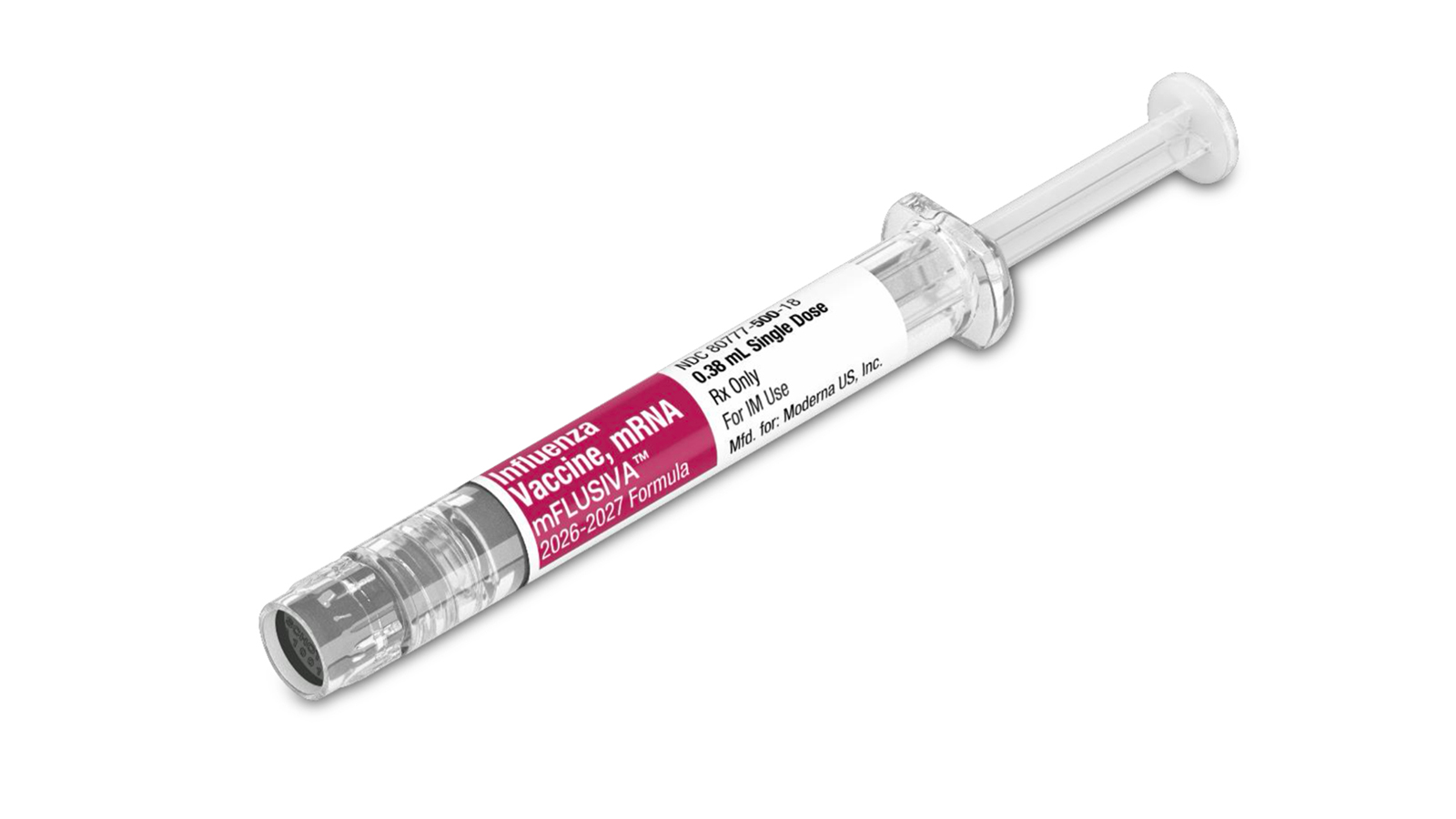
The vaccines don’t block all flu infections, but they do help prevent the worst outcomes. Three enhanced flu vaccines are available, and a new mRNA flu vaccine was recently approved.
Multiple flu vaccine options are available. COVID-19 shots are formally approved for higher-risk people ages 65 and older or younger people with health conditions.
Adults 65 and older should get a fall dose and then a second dose 6 months later.
Common side effects for flu and COVID-19 vaccines are mild and temporary.
RSV is a nuisance for many, but can be deadly for some, and vaccination is recommended for adults 75 and older, people 50 to 74 who are at increased risk, or younger people with weak immune systems.
Infants whose mothers weren’t vaccinated are also recommended to receive a vaccine-like medication.